Source High Purity Alkyne Refrigerant Gas for AC, Cold Storage, and Freezers
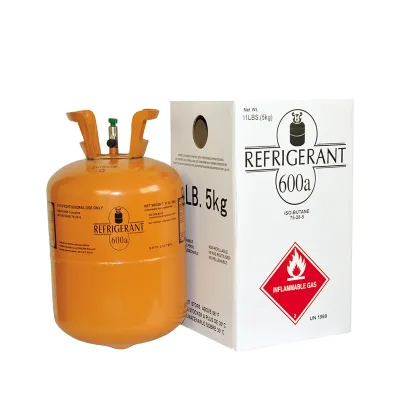
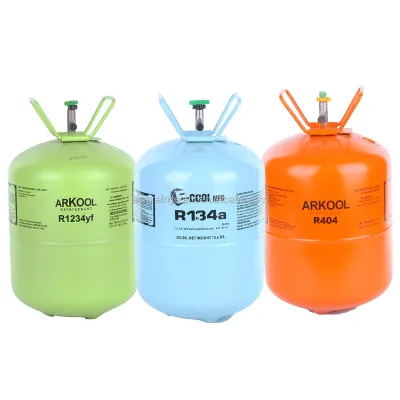
Source high purity alkyne refrigerant gas for industrial applications. Compare 30 listings of R600A, R410A, R32, and R134a gases. These products are available in disposable cylinders with industrial grade purity for commercial refrigeration and freezing systems; compare the available evidence and request quotations based on your requirements.
Key considerations
Products List



Comprehensive Sourcing Guide
High Purity Alkyne Refrigerant Gas Sourcing Guide
Procuring high purity alkyne refrigerant gas requires careful navigation of a complex market where specific chemical classifications often overlap with standard refrigerant models. Buyers must distinguish between true alkyne-based compounds and the more common alkane or alicyclic hydrocarbons frequently listed in industrial catalogs. The observed product data indicates a mix of classifications, including alkanes and alkynes, alongside specific refrigerant models like R600A and R410A, necessitating rigorous verification of the chemical structure before purchase.
Sourcing decisions should prioritize suppliers who explicitly define the saturation state of their hydrocarbon products, as the distinction between saturated alkanes and unsaturated alkynes dictates safety protocols and application suitability. While some listings describe products as alkyne-based, others identify them as alkanes or alicyclic hydrocarbons, creating potential confusion for buyers seeking specific thermodynamic properties. It is essential to cross-reference the chemical property claims with the actual product model numbers to ensure the gas meets the precise engineering requirements of the intended refrigeration system.
Product Scope and Observed Listing Signals
The current market landscape presents a diverse array of refrigerant gases, ranging from disposable cylinders to standard export packing formats, with observed prices spanning from 1.5 to 150 USD per unit. Buyers will encounter various product models, including R134a, R410A, R407C, and R600A, each associated with different net weights such as 10kg, 11.3kg, or 13.6kg. This variability in packaging and model designation suggests that procurement strategies must be tailored to specific project scales, whether for small commercial units or large industrial installations.
Listing signals often highlight purity levels between 99.90% and 99.97%, which are critical for maintaining system efficiency and preventing component degradation. However, the presence of conflicting chemical classifications, such as "Alkane" versus "Alkyne," within the same product pool requires buyers to scrutinize the constituent details carefully. Some entries mention industrial pure air or combustion-supporting gases, which are distinct from the flammable gases typically used in refrigeration, demanding a clear understanding of the specific gas composition before finalizing any order.
Technical Specifications to Verify
Verification of technical specifications must begin with the chemical classification, ensuring the product matches the required saturation state, whether it is an alkane, alkyne, or alicyclic hydrocarbon. The observed data lists specific models like R600A and R410A, but also includes general descriptors like "Industrial Pure Air" or "Combustion-Supporting Gas," which may not be suitable for standard refrigeration cycles. Buyers should demand a detailed material safety data sheet that explicitly confirms the chemical structure and distinguishes between the various hydrocarbon types listed in the catalog.
Pressure and weight specifications are equally critical, with observed standards ranging from 14.3LB to 11.3kg and net weights up to 13.6kg. The cylinder type, whether disposable or standard, impacts handling logistics and long-term storage costs, making it a key decision point for procurement teams. Additionally, the GWP values vary significantly across listings, with some products showing 0.1, others 650, and some 1700 or 2000, requiring buyers to align their selection with environmental compliance goals and local regulatory frameworks.
Compliance and Safety Documentation
Safety documentation is paramount when handling gases classified as inflammable or possessing a risk grade of 2.2, as indicated in the observed product data. Buyers must ensure that all shipments are accompanied by valid UN numbers, such as 1078 or 3340, which correspond to the specific hazard class of the gas being transported. The presence of these identifiers confirms that the supplier adheres to international transport regulations, which is essential for avoiding delays at customs and ensuring safe delivery to the final destination.
Environmental compliance is another critical area, particularly given the varying GWP values and the classification of some products as having zero ODP. Procurement teams should verify that the supplier provides documentation confirming the product's compliance with relevant environmental standards, especially if the gas is intended for use in regions with strict refrigerant regulations. The distinction between different GWP ratings, ranging from 0.1 to 2000, directly impacts the long-term viability of the product in a market increasingly focused on reducing greenhouse gas emissions.
Cost Drivers and Commercial Terms
Cost drivers in this sector are heavily influenced by the purity level, packaging type, and the specific refrigerant model selected, with observed prices ranging from 1.5 to 150 USD. The choice between disposable cylinders and standard export packing can significantly alter the total cost of ownership, as disposable units often carry a premium for convenience but may be less economical for high-volume operations. Buyers should analyze the net weight per unit, which varies from 10kg to 13.6kg, to determine the most cost-effective option for their specific application needs.
Commercial terms such as MOQ and lead times are also variable, with observed MOQs ranging from 1 to 1150 units, reflecting the flexibility of different suppliers. While some listings indicate a minimum order of just one unit, others may require bulk purchases to achieve competitive pricing. It is advisable for buyers to negotiate based on their projected consumption rates, balancing the need for immediate availability against the potential savings offered by larger order quantities and standardized shipping ports like Ningbo.
Supplier Qualification and Quality Control
Supplier qualification should focus on those who can demonstrate adherence to recognized quality management systems, such as ISO 9001 and ISO 14001, which are mentioned in the observed product standards. These certifications indicate a commitment to consistent product quality and environmental management, which are crucial for maintaining the integrity of the refrigeration systems that rely on these gases. Buyers should request proof of these certifications and verify their validity before entering into any long-term supply agreements.
Quality control processes must also include rigorous testing for purity, with observed levels ranging from 99.9% to 99.97%. Suppliers should provide batch-specific test results that confirm the gas meets these purity thresholds, ensuring that the product will perform as expected without introducing contaminants that could damage equipment. The brand name, such as Dimax, may serve as a marker of quality, but buyers should not rely solely on brand reputation and must insist on independent verification of the product specifications.
Long-Term Procurement Checks
Long-term procurement strategies should include regular audits of supplier performance to ensure consistent adherence to the specified chemical properties and safety standards. Given the potential for confusion between different hydrocarbon classifications, such as alkanes versus alkynes, buyers must maintain a dynamic verification process that checks each new shipment against the original technical specifications. This proactive approach helps prevent the accidental introduction of incompatible gases into the supply chain, which could lead to system failures or safety incidents.
Sustainability considerations must also be integrated into long-term planning, particularly as environmental regulations evolve regarding GWP and ODP values. Buyers should monitor changes in the market for low-GWP alternatives and assess whether their current suppliers can adapt their product lines to meet future compliance requirements. By maintaining a flexible procurement strategy that accounts for regulatory shifts and technological advancements, organizations can ensure the continued reliability and efficiency of their refrigeration infrastructure.
FAQs
What is the purity level of high purity alkyne refrigerant gas?
The purity level is typically 99.90% to 99.97%. This high concentration ensures efficient thermal transfer in commercial refrigeration systems. Buyers should verify specific batch certificates to confirm the exact percentage meets their operational standards for industrial grade applications.
Which models are available for high purity alkyne refrigerant gas?
Available models include R600A, R410A, R32, and R407C. These variants serve different cooling requirements across commercial and industrial sectors. Each model has distinct chemical properties and global warming potential values that influence selection for specific refrigeration equipment.
How is high purity alkyne refrigerant gas packaged for shipping?
Packaging options include disposable cylinders, standard export packing, and carton boxes. The standard export packing often weighs around 13.6kg or 30lb per unit. Disposable cylinders are commonly used for smaller quantities, while larger shipments utilize robust standard packaging for safety.
Can high purity alkyne refrigerant gas be customized for specific needs?
Yes, customization is available for specific industrial requirements. Manufacturers can adjust specifications to match particular cooling system demands. Buyers should communicate their exact operational parameters early in the sourcing process to ensure the final product aligns with their technical specifications.
What is the origin of high purity alkyne refrigerant gas?
The primary origin is Zhejiang, China. Products are shipped from ports like Ningbo. This region is a major hub for chemical manufacturing, ensuring consistent supply chains for industrial grade refrigerants used in global commercial refrigeration and freezer applications.